


When you are looking at a career in the financial sector, the question that would be in your mind is whether the investment of time, energy, and money would pay off. This guide is a place to understand all you need to know about the financial career, both in the job market and in the long-term perspectives.
Definitions: What is Finance, and What is a Good Career?
Must we first define our terms before we can answer the question: Is finance a rewarding career choice?

What is Finance?
Finance is a wide-sweeping scope of activities that deal with the management of money, investments, and financial instruments. This includes:
- Corporate finance (company finances, raising of capital, mergers, acquisitions)
- Investment banking (assistance of companies to raise funds and transaction advice)
- Asset management (investment management of individuals and institutions)
- Leveraged buyouts and venture capital (investing in privately-held companies)
- Traditional lending and commercial deposit business (business banking).
- Wealth management (advising people on their finances) and financial planning.
- Risk management and insurance.
- Financial technology and Fintech.
What Makes a Career “Good”?
An excellent career usually entails a number of important aspects:
- Remuneration: Good salary and benefits, which enable one to have security.
- Promotional possibilities: Renowned avenues of progress and growing responsibility.
- Work-life balance: Sensible working hours and family life.
- Job security: Security and demand of your skills.
- Mental stimulation: Stimulating and demanding work.
- Impact: The relevant contribution to organizations or society.
- Transferable skills: Skills that will always be useful in your career.
These factors are weighted differently by everyone based on his/her values and life conditions.
Careers in Finance: Job Market Overview.
The employment market of finance is still large, albeit that it has been transformed over the past decades.
Current Market Landscape
The financial service industry still remains a significant employer in the world. The industry is also employed by millions of specialists in different fields in the United States alone. There has been a change in the distribution of opportunities, though.
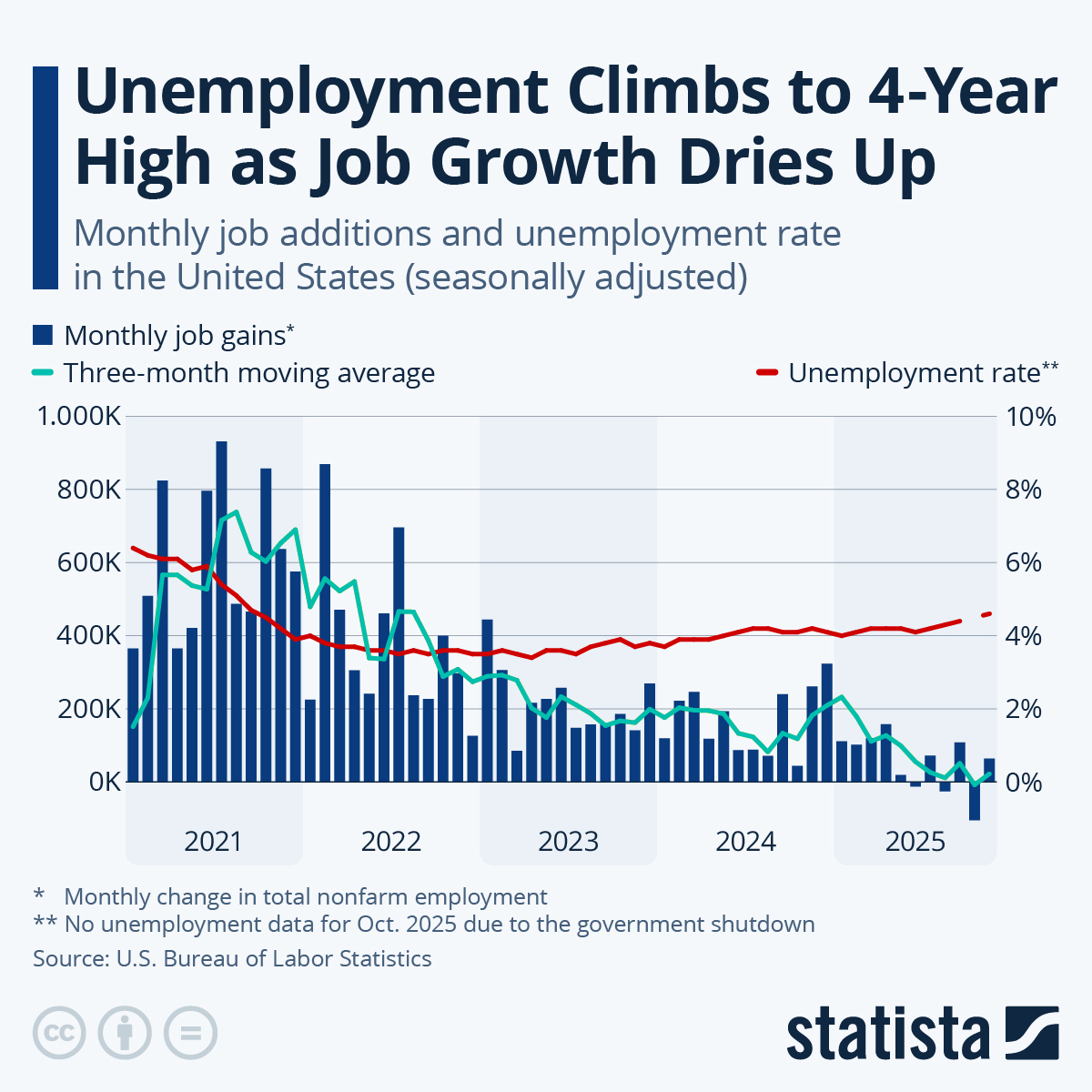
The old trades of investment banking, trading, and asset management have not disappeared, but they have become competitive. Numerous companies have minimized staffing with the help of automation and efficiency. In the meantime, the emerging newer fields such as fintech, data analytics, and regulatory compliance have also grown.
Also Read : How to Use Them Effectively and Avoid Common Mistakes
Entry-Level Opportunities
Even with recent graduates, competitive advantage in getting jobs in the highest-tier of the financial field is still very competitive. At bulge bracket firms, the number of applications for investment banking analyst programs is in the thousands against a few hundred slots. Likewise, the jobs in the top asset management firms and the private equity funds are highly selective.
Nonetheless, there is more than just the most elite firms. Entry-level talent is employed in regional banks, corporate finance departments, financial planning companies, and fintech companies. The trick is in the realization that there is so much more to finance than Wall Street investment banks.
Middle and end of the career roles.
Established specialists with long-term successful experience tend to have more opportunities, but their progress may stop. A significant number of finance-related professions will take an up or out pattern, specifically in investment banking and consulting. Others who fail to become a Managing Director or Partner tend to shift to corporate positions, become self-employed, or shift to the peripheral areas.
Skills in Demand
The modern finance is becoming more and more appreciative of:
- Technical (financial modeling, data analysis, programming) skills.
- Quantitative skills (statistics, mathematics)
- Technological skills (Excel, Python, SQL, financial software)
- Communication (explaining complex information in a simple manner)
- Regulatory knowledge (knowledge of compliance requirements)
- Relationship management (customer relationship management and management)
The “Cost” of a Good Career: Recruiting and Advancement.
It is very important to learn what is required to succeed in finance when considering whether this is the road you want to take in your life.
Educational Requirements
The majority of finance careers will demand at least a bachelor’s degree, mostly in finance, economics, accounting, and business. The best companies conduct extensive recruiting of target schools- elite universities that have a network of major financial organizations.

There are also numerous professionals who receive advanced degrees (MBA, Master of Finance), or certifications (CFA, CPA, CFP). Such credentials involve major investments in time and money, which may cost between 50,000 and above 200,000.
The Recruiting Process
To become a competitive finance professional requires much effort:
- Networking: The ability to develop connections with professionals and recruiters several months before vacancies.
- Technical preparation: Learning how to use concepts of finance, accounting, valuation techniques, and Excel models.
- Practice interview: Preparation of several behavioural and technical interviews.
Internships: Gaining appropriate experience, usually at unpaid or low-paid in the early years.
Non-target school students also have a higher difficulty in accessing the opportunities and can be forced to make more efforts to become noticed.
Also Read : Animation Tool & Meme Creator
Work Requirements
Investment banking and private equity in general are known to have many finance positions that are notorious for their schedules:
- Busy hours: 60-100+ working hours per week.
- Weekend work and late nights
- 24/7 access to the needs of clients.
- Stressful situations where there are tight deadlines.
- Some positions require a lot of travelling.
Advancement Challenges
A finance career ladder is not assured:
- There is always performance pressure, frequent reviews, and gradings.
- There is a lot of competition as far as promotion is concerned.
- Senior levels become more and more concerned with political skills.
- Pyramid structures in many firms have less position in each level.
- With bad economic times, job security may be limited.
What happened to the Finance Career Path What happened to the Finance Career Path between 1980 and 2020?
Finance is one of the industries that have experienced a radical change in the last forty years.
The Golden Era (1980s-2007)
From the 1980s to the mid-2000s, finance had been enjoying unparalleled growth and profitability. There were a number of causes that led to this boom:

- Deregulation: Less regulation of financial activities and interstate banking.
- Globalization: an increase in foreign capital movement and international transactions.
- Financial innovation: Derivatives, structured securities, and hedge fund strategies are new products.
- Technology: The ability of computing provided sophisticated trading patterns and risk simulation.
- Leverage: The higher the borrowing, the higher the returns during good times.
The compensation in the financial sector shot up in this period. Investment bankers, fund managers and traders made unprecedented amounts. High finance became a profession that was associated with wealth and prestige.
Turning Point of the Financial Crisis (2008-2009).
The world financial crisis was a landmark. Large institutions were not doing well or they had to be bailed out by the government. Improper risk management and business practices in the entire industry were exposed by the crisis.
Post-Crisis Changes (2010-2020)
The results were very different:
- Heightened regulation: The Dodd-Frank and other comparable reforms enforced more stringent regulations in capital requirements, proprietary trading, and risk management.
- Less profitability: A significant number of operations turned less profitable.
- Technology unrest: Algorithms, robo-advisors, and fintech were a threat to old models.
Reduction of the Headcount employees. Firms lay off employees, especially in trading and middle office operations. - Moderation of compensation: The compensation is still high, but the rate of increase is decreased as compared to the past decades.
- Tarnished reputation: The financial image to the public worsened and it became harder to recruit.
Why the Macro Environment is Now Much Less Favorable for Finance
The careers in finance are no longer appealing as they were in the past due to some structural tendencies.
Regulatory Burden
The cost of compliance has gone up, and some profit opportunities are gone due to post-crisis regulations. Banks are required to maintain an increased capital balance against risky activities where the ability to generate returns is constrained. Proprietary trading is no longer a profitable business as it was years ago.
Technology and Automation
Technology has changed finance in aspects that decrease employment:
- Algorithmic trading has substituted numerous human traders.
- Robo-advisor (automated portfolio management) is used to perform tasks that financial advisors used to perform.
- Machine learning is efficient in analyzing data as compared to traditional analyst work.
- Traditional banking intermediaries may be upset by blockchain and cryptocurrencies.
Increased Competition
The industry has been made more competitive in various fronts:
- There are more fresh graduates joining careers in finance, and this supplies more talent.
- The world talent pools imply that there is no local competition only.
- Traditional finance is losing its talent to non-traditional competitors (tech companies, fintech startups) and their products.
- Passive investment has minimized the cost of investment management.
Market Maturity
It is a fact that many financial markets have become mature, and growth opportunities have been limited:
- The interest rates were kept very low over the years, squeezing margins.
- A large number of arbitrage opportunities have been taken advantage of.
- There is heightened efficiency in the market, and it is difficult to create alpha (excess returns).
- The merger has minimized firms and employment opportunities.
Reorganizing the Compensation Structures.
Finance is no longer as profitable, but the disparity has been reduced:
- The best technology firms are now paying on par or better than finance.
- The deferred compensation and clawback provisions imply reduced cash during the start.
- The pools in bonuses have become more unpredictable and volatile.
- They are less attractive compared to other industries that have been enhanced in terms of work-life balance.
Social and Political Influences
Finance is subject to continuous questioning and criticism over inequality, social value and ethical practice. This has an impact on recruitment because there are individuals who are talented and instead of taking a career that they believe is more socially helpful, they opt out.
OK, So What Does All this Mean to you? Is Finance a Good Career Path?
The big question now, considering all that we have talked about, should pursue a finance career?
When Finance Makes Sense
An excellent career in finance could be:

- You really care about financial markets, deals, and business strategy: Love of work allows the heavy hours to become bearable.
- You put a lot of importance on high earning potential: Although the industry has changed, finance continues to pay above average.
- You are very critical and analytical: The task must be done in finer detail.
- You are a pressure player: You work best in high-pressure situations and love to operate in a fast-paced environment with high stakes.
- You are in/have access to a target school: This will greatly help you secure the best jobs.
- You can accept your fee: Entry-level jobs leave you with nothing, but they pave the way.
- You want transferable skills: Finance develops useful skills that can be used in business.
- You are flexible: The industry is ever-changing, and those who are able to adapt and shift are rewarded.
When You Should Think Twice
Finance may not be right if:
- Work-life balance is a priority: A lot of jobs in the field of finance require a lot of time.
- You are risk-averse when it comes to job security: The business may be volatile and cyclical.
- You do not attend a target school and do not have contacts: It will be much more difficult to make an in.
- You are chasing it because it is prestigious or because it pays money: Burnout will probably come without real interest.
- You have deep ethical issues regarding the financial sector: This lack of fit will bring stress.
- You like creative or people work: Finance is essentially business-oriented.
- You are inefficient in high-pressure situations: The pressure may be high and continuous.
Career in other fields within finance.
Keep in mind that finance is not a singular thing. Otherwise, investment banking is not what you want:
- Corporate finance: Practice in organizations that take financial strategy (usually better hours) into consideration.
- Financial planning: Support the personal finances of the people (relationship-oriented)
- Fintech: Finance and technology in an innovative start-up (entrepreneurial environment)
- Asset management: Investment research and portfolio management (more intellectual)
- Risk management: Become a specialist in the field of financial risk detection and reduction (emerging market).
- Compliance and regulation: Make sure that companies are operating according to the laws and regulations (stable demand)
- Both have various advantages, issues, and life effect implications.
Making Your Decision
To find out whether finance is right or not:
- Get exposure: Informational interviews, job shadowing and internships offer real life previews.
- Evaluate your competencies: Are you good at quantitative work? Are you able to express complicated concepts?
- Alternatives: contrast finance with other well-paying professions (consulting, technology, law, medicine).
- Get real with yourself: What is the most important to you in a profession?
- See the big picture: Where are you going to be 10-20 years down the road? Does money assist you in getting there?
- Estimate ROI: Will the returns be worth the costs of education and lifestyle?
Best Places to Work in Finance.
In case you choose to be a finance major, there are better experiences in some of the organizations and segments compared to others.
Top Investment Banks
The bulge bracket firms still have high-profile training and exiting opportunities:

- Goldman Sachs
- JPMorgan Chase
- Morgan Stanley
- Bank of America
- Citigroup
Elite boutiques also offer comparable training with possibly superior culture:
- Lazard
- Evercore
- Moelis & Company
- Centerview Partners
- PJT Partners
Asset management firms in the market.
Intellectually challenging investment research opportunities are available at these companies:
- BlackRock
- Vanguard
- Fidelity Investments
- T. Rowe Price
- Capital Group
Venture Capital and Private Equity.
These jobs are highly paid and provide interesting work: even though very competitive.
- Blackstone
- KKR
- Apollo Global Management
- The Carlyle Group
- Sequoia Capital (venture)
- Andreessen Horowitz (venture)
Corporate Finance Opportunities.
A lot of companies are providing great finance opportunities with the improved work-life balance:
- Major technological organizations (Apple, Google, Microsoft, Amazon)
- Top corporations in other sectors.
- Mid-sized companies that grow very fast.
Fintech Innovators
The following companies are a blend of finance and technology, as well as entrepreneur culture:
- Stripe
- Robinhood
- Coinbase
- Plaid
- Square (Block)
Middle-Market Firms and Regional Firms.
Forgot about small companies which can provide:
- Adequately less rivalry in acquiring positions.
- Previous responsibility and learning experience.
- Better work-life balance
- Strong regional networks
- Similar compensation at high positions.
What to Look For
In assessing prospective employers, look at:
- Mentorship and quality of training.
- Advertising schedules and progress standards.
- Real work time and commuting needs (not only on their advertisements)
- Staff retention and contentment.
- Deal flow and client quality
- Base, Bonus, Equity Compensation structure
- Available exit opportunities in case of departure.
Further Reading
To gain more knowledge about the careers in finance, visit the following resources:
Industry Publications
- Wall Street Journal (news on finance daily)
- Financial Times (global point of view)
- Bloomberg (markets and business)
- The Economist (economic background)
Career Guidance
- The investment banking career advice: Mergers & Inquisitions.
- Wall Street Oasis (financial career community forums)
- CFA Institute (resources in investment management)
- LinkedIn (follow people in the work you are interested in)
Books About Finance Careers
- John Rolfe and Peter Troob (investment banking reality) Monkey Business.
- Michael Lewis (trading floor culture) Liar-Poker.
- More Money Than God by Sebastian Mallaby (hedge fund industry)
- The Portfolio by Mary Jo Hatch (business)
Academic Research
- Bureau of Labor Statistics (data and projections on employment)
- Financial markets and banking academic journals.
- Resources career services at the university.
Professional Organizations
- CFA institute (Chartered Financial Analyst)
- AICPA (American Institute of CPAs).
- FP&A (Financial Planning and Analysis).
- Board CFP (Certified Financial Planner)
Networking Opportunities
- University alumni networks.
- Conferences and events in the industry.
- Meetings of the professional associations.
- Finance-related LinkedIn groups.
Final Thoughts
Therefore, is finance a good profession? It is all about who you are and what you appreciate.
Finance may be highly compensated, challenging mentally, and provide some highly marketable skills that can be used throughout your lifetime. But it requires major sacrifices in work hours, stress and preliminary investments into education and networking.
The industry has evolved very differently to its high in 1980s- 2000s. It is more controlled, competitive, and less hegemonic than other upcoming areas such as technology. Nevertheless, it is a large industry that offers plenty of opportunities not only in the standardized investment banking analyst position.
The trick is to be realistic when making this decision. Be aware of what you are committing to, be truthful to yourself that it may or may not suit your strengths and priorities, and be realistic with what you are entering into.
Provided that you have chosen finance as the right path, you should dedicate yourself to the preparation. In case you realize that it is not right, remember that there are numerous other professions that would give you satisfaction and even prosperity. It is not to select the best career path in the abstract, but the best career path.
