

The way we handle money has fundamentally changed. Gone are the days when cash and checks dominated every transaction. Today, digital payment systems process trillions of dollars globally, transforming how businesses operate and consumers shop.
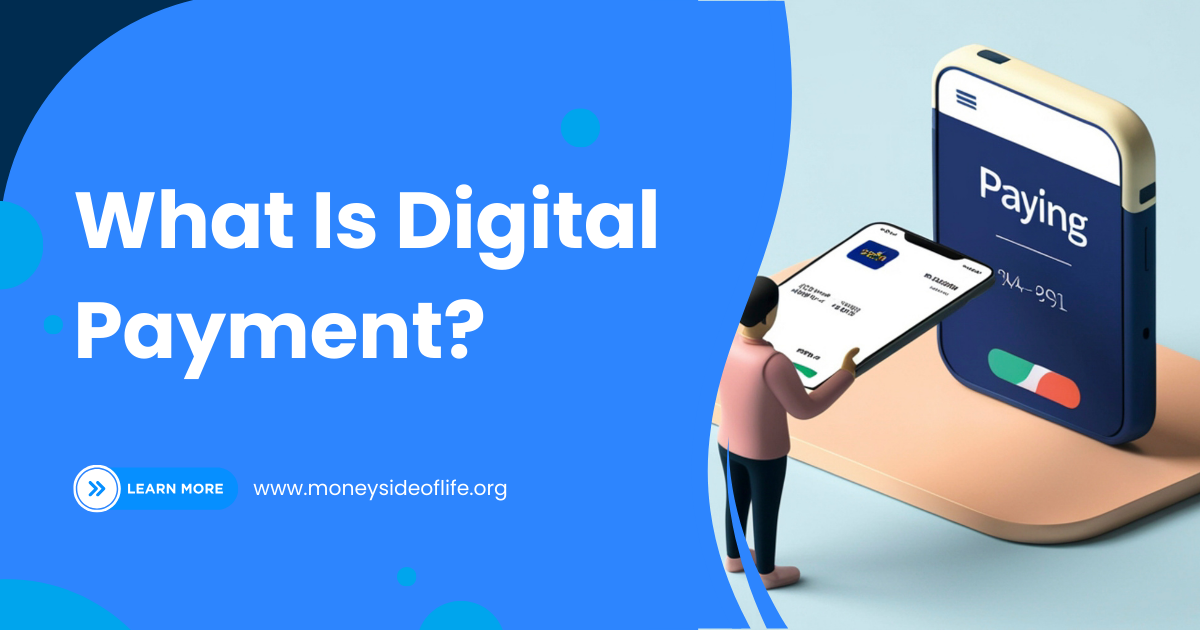
Digital payment refers to any monetary transaction completed electronically without physical currency exchange. Instead of handing over cash or writing a check, the payment occurs through digital channels—whether it’s tapping your phone at a coffee shop, transferring money through an app, or paying an invoice online.
This shift isn’t just a trend; it’s a business imperative. According to recent industry data, global digital payment volumes are projected to exceed $14 trillion by 2027, with businesses that embrace electronic payment methods experiencing faster checkout times, reduced operational costs, and improved customer satisfaction.
Understanding digital payment technology is now essential for any business leader looking to remain competitive, streamline operations, and meet evolving customer expectations.
How Digital Payment Systems Work
At its core, a digital payment system facilitates the electronic transfer of funds between parties. The process involves several key participants working together seamlessly.
When a customer initiates a digital payment, the transaction travels through a sophisticated network. The payment gateway encrypts the transaction data and sends it to the payment processor. The processor then communicates with the customer’s bank or card issuer to verify fund availability and authorization.
Within seconds, the approval or denial travels back through the same channels, completing the transaction. This entire process—which might seem instantaneous to users—involves multiple security checks, fraud detection algorithms, and data encryption protocols.
The infrastructure supporting these transactions includes payment gateways, merchant accounts, payment processors, acquiring banks, and issuing banks. Each plays a specific role in ensuring transactions are secure, accurate, and completed efficiently.
Types of Digital Payment Methods
The digital payment landscape offers numerous options, each suited to different business needs and customer preferences.
Mobile Wallets and Contactless Payments
Mobile wallet applications like Apple Pay, Google Pay, and Samsung Pay have revolutionized point-of-sale transactions. These platforms store payment card information securely on smartphones, allowing customers to complete purchases with a simple tap.
Contactless payments use Near Field Communication (NFC) technology to transmit payment information wirelessly. The convenience factor is substantial—transactions complete in seconds without requiring PIN entry for smaller amounts.
Also Read : Top 10 Best Investment Options in 2026 for Smart Long-Term Growth
Online Payment Gateways
For e-commerce businesses, payment gateways serve as the essential bridge between shopping carts and bank accounts. Platforms like PayPal, Stripe, and Square integrate with websites to process credit cards, debit cards, and alternative payment methods.
These gateways handle the technical complexity of payment processing while providing businesses with tools for recurring billing, subscription management, and international transactions.
Also Read : Smart Financial Strategies to Boost Your Online Earnings
Bank Transfers and ACH Payments
Direct bank transfers and Automated Clearing House (ACH) payments offer a cost-effective alternative to card-based transactions. These methods electronically move money between bank accounts, making them ideal for larger transactions, B2B payments, and recurring bill payments.
While ACH transfers typically take longer to settle than card payments, they come with significantly lower processing fees—an important consideration for businesses managing tight margins.
Digital Currencies and Cryptocurrency
Bitcoin, Ethereum, and other cryptocurrencies represent the newest frontier in digital payments. While adoption remains limited compared to traditional methods, some forward-thinking businesses accept crypto payments to attract tech-savvy customers and reduce cross-border transaction costs.
Buy Now, Pay Later (BNPL) Services
Services like Affirm, Klarna, and Afterpay have gained rapid traction by offering installment payment options at checkout. These platforms appeal to consumers seeking financial flexibility while providing merchants with higher conversion rates and average order values.
Benefits of Digital Payment for Businesses
Implementing digital payment solutions delivers measurable advantages across multiple business functions.
Enhanced Customer Experience
Speed and convenience drive customer satisfaction. Digital payments eliminate the friction of cash handling, check writing, and manual processing. Customers complete purchases faster, whether they’re shopping in-store, online, or through mobile apps.
Improved Cash Flow Management
Electronic payments settle faster than checks, improving working capital availability. Many digital payment platforms provide real-time transaction visibility, enabling better financial forecasting and decision-making.
Reduced Operational Costs
While payment processing fees exist, digital systems eliminate many traditional costs. Businesses save on cash handling, bank deposit trips, check processing, and the labor associated with manual reconciliation.
Better Security and Fraud Protection
Modern digital payment systems incorporate advanced security measures including encryption, tokenization, and fraud detection algorithms. These protections reduce the risk of payment fraud compared to cash or check transactions.
Access to Valuable Data
Digital transactions generate detailed data about customer behavior, purchase patterns, and payment preferences. This information helps businesses optimize pricing, inventory, marketing campaigns, and customer service strategies.
Global Reach
Digital platforms enable businesses to accept payments from customers anywhere in the world. Currency conversion, international payment acceptance, and cross-border transactions become manageable without establishing multiple banking relationships.
Security Considerations in Digital Payments
Security remains paramount when handling electronic financial transactions. Businesses must understand and implement appropriate safeguards.
Encryption and Tokenization
Payment data encryption scrambles sensitive information during transmission, making it unreadable to unauthorized parties. Tokenization replaces actual card numbers with unique identification symbols, ensuring that even if data is intercepted, it remains useless to criminals.
PCI DSS Compliance
The Payment Card Industry Data Security Standard (PCI DSS) establishes security requirements for any business handling card payments. Compliance involves network security, access controls, regular monitoring, and information security policies.
Multi-Factor Authentication
Adding authentication layers beyond passwords—such as biometric verification, one-time codes, or device recognition—significantly reduces unauthorized access risk.
Fraud Detection Systems
Advanced algorithms analyze transaction patterns in real-time, flagging suspicious activities for review. Machine learning models continuously improve their ability to distinguish legitimate purchases from fraudulent attempts.
Implementing Digital Payment Solutions
Successful digital payment adoption requires strategic planning and careful execution.
Assess Your Business Needs
Start by evaluating your transaction volume, average ticket size, customer demographics, and sales channels. A retail store has different requirements than an e-commerce site or service-based business.
Compare Provider Options
Research payment processors based on fees, supported payment methods, integration capabilities, customer support, and contract terms. Don’t focus solely on transaction rates—consider monthly fees, setup costs, and charges for specific features.
Ensure Technical Integration
Work with your technology team or vendors to integrate payment systems with existing business software. Connections to your accounting system, inventory management, and customer relationship management platforms streamline operations.
Train Your Team
Staff members need training on operating payment terminals, handling transaction issues, protecting customer data, and recognizing fraud attempts. Well-trained employees deliver better customer experiences and maintain security standards.
Test Thoroughly
Before going live, conduct comprehensive testing across all payment scenarios. Process test transactions, verify reporting accuracy, and confirm that backup systems function properly.
Future Trends in Digital Payment
The digital payment ecosystem continues evolving rapidly, driven by technology advancement and changing consumer preferences.
Biometric authentication methods, including fingerprint, facial recognition, and voice verification, are becoming standard features. These technologies enhance both security and convenience.
Artificial intelligence applications extend beyond fraud detection into personalized payment experiences, dynamic pricing, and predictive analytics that help businesses optimize payment strategies.
Central bank digital currencies (CBDCs) are under development in numerous countries, potentially reshaping how governments, businesses, and consumers interact with digital money.
The integration of payment capabilities directly into social media platforms, messaging apps, and other non-traditional channels creates new opportunities for frictionless commerce.
Frequently Asked Questions
What is the difference between digital payment and electronic payment?
These terms are essentially synonymous and often used interchangeably. Both refer to transactions completed through electronic systems rather than physical cash or checks. Some experts make subtle distinctions, using “electronic payment” as a broader category that includes any non-cash payment, while “digital payment” specifically refers to internet-connected or mobile-based transactions. However, in practical business contexts, these terms mean the same thing.
Are digital payments safe for small businesses?
Yes, when implemented properly, digital payments offer superior security compared to cash or checks. Reputable payment processors provide encryption, fraud detection, and compliance support that would be impractical for small businesses to develop independently. The key is choosing established providers, maintaining PCI compliance, and training staff on security best practices. The risk of cash theft, counterfeit bills, or bounced checks often exceeds the security risks of properly configured digital payment systems.
How much do digital payment systems cost businesses?
Costs vary significantly based on transaction volume, payment methods accepted, and business type. Typical credit card processing fees range from 1.5% to 3.5% per transaction, plus potential fixed fees of $0.10 to $0.30. ACH payments generally cost less, often $0.25 to $1.00 per transaction. Additional costs may include monthly account fees, equipment rental, PCI compliance fees, and chargeback fees. Many processors offer different pricing structures—interchange-plus, tiered, or flat-rate—each with different advantages depending on your business model.
Can businesses that accept digital payments improve customer retention?
Absolutely. Payment convenience directly influences customer satisfaction and loyalty. Businesses offering multiple payment options—credit cards, mobile wallets, bank transfers—remove friction from the purchase process. Features like saved payment information, one-click checkout, and subscription management encourage repeat purchases. Additionally, the transaction data from digital payments enables personalized marketing, loyalty programs, and customer service improvements that strengthen relationships over time.
What should businesses do if a digital payment fails or is disputed?
First, ensure your payment system provides clear error messages helping customers understand the issue. Common failures result from insufficient funds, expired cards, or incorrect information—issues customers can resolve immediately. For disputed transactions or chargebacks, maintain detailed transaction records including timestamps, IP addresses, delivery confirmations, and communication history. Respond to disputes promptly with supporting documentation. Many payment processors offer chargeback protection programs and dispute resolution support. Prevention strategies include clear billing descriptors, transparent refund policies, and excellent customer service that resolves issues before they escalate to disputes.
Conclusion: Embracing the Digital Payment Revolution
The transition to digital payment systems represents more than technological modernization—it’s a fundamental business transformation that affects customer relationships, operational efficiency, and competitive positioning.
Businesses that adopt comprehensive digital payment strategies position themselves to meet customer expectations, reduce costs, access better data, and scale more effectively. The initial investment in payment infrastructure and process changes delivers ongoing returns through improved transaction speed, enhanced security, and expanded market reach.
Whether you’re just beginning to explore digital payment options or looking to optimize existing systems, the key is starting with a clear understanding of your business needs, evaluating options thoroughly, and implementing solutions that align with your growth objectives.
The future of commerce is undeniably digital. The businesses that thrive will be those that embrace this reality, invest in appropriate payment technologies, and continuously adapt to emerging opportunities in the digital payment landscape.
