

In an era where data breaches affect millions of users annually and privacy concerns dominate headlines, organizations and individuals alike are searching for robust solutions to protect sensitive information. The Anon Vault has emerged as a critical tool in the privacy and security landscape, offering advanced protection for those who need to safeguard their digital assets without compromising accessibility.
According to recent cybersecurity reports, over 6 billion records were exposed in data breaches during 2023 alone. This staggering figure highlights why privacy-focused storage solutions have become essential for businesses, professionals, and privacy-conscious individuals. Whether you’re managing confidential business documents, personal credentials, or sensitive communications, understanding how anonymous vaults work can be the difference between security and exposure.
What Is Anon Vault?
Anon Vault refers to a secure, encrypted storage solution designed to protect sensitive data while maintaining user anonymity. Unlike traditional cloud storage platforms that require extensive personal information and maintain detailed user logs, an anon vault prioritizes privacy by minimizing data collection and implementing zero-knowledge encryption protocols.

At its core, an anon vault serves as a digital safe where users can store passwords, documents, cryptocurrency keys, personal information, and other confidential data. The defining characteristic is the emphasis on anonymity—these systems are built to ensure that even the service provider cannot access, view, or decrypt the stored information.
Key Characteristics of Anonymous Vaults
Anonymous vault solutions typically incorporate several fundamental features that distinguish them from conventional storage options:
- Zero-knowledge encryption: Data is encrypted on the user’s device before being uploaded, ensuring the provider never has access to unencrypted information
- Minimal data collection: No unnecessary personal information is required to create or maintain an account
- Decentralized architecture: Many solutions use distributed storage to eliminate single points of failure
- Anonymous authentication: Access methods that don’t rely on traditional identity verification
- End-to-end security: Protection throughout the entire data lifecycle, from creation to deletion
How Does Anon Vault Work?
Understanding the technical foundation of an anon vault helps users appreciate the security benefits and make informed decisions about implementation.

The Encryption Process
When you store data in an anonymous vault, the encryption process typically follows these steps:
Client-side encryption occurs first. Your data is encrypted on your local device using advanced encryption standards (AES-256 or similar) before any information leaves your system. You control the encryption keys, not the service provider.
Secure transmission follows. The encrypted data is transmitted through secure channels (TLS/SSL protocols) to the vault’s storage infrastructure. During this transfer, the data remains encrypted and unreadable to interceptors.
Distributed storage is the final step. Many anon vault solutions employ distributed or decentralized storage systems, fragmenting encrypted data across multiple nodes. This approach enhances security by ensuring no single entity possesses complete access to your information.
Authentication and Access
Access to an anon vault differs significantly from traditional password managers or cloud storage:
Most systems use master passwords combined with additional authentication factors. However, unlike conventional services, there’s typically no password recovery option—if you lose your master credentials, your data becomes permanently inaccessible. This trade-off is intentional, prioritizing security over convenience.
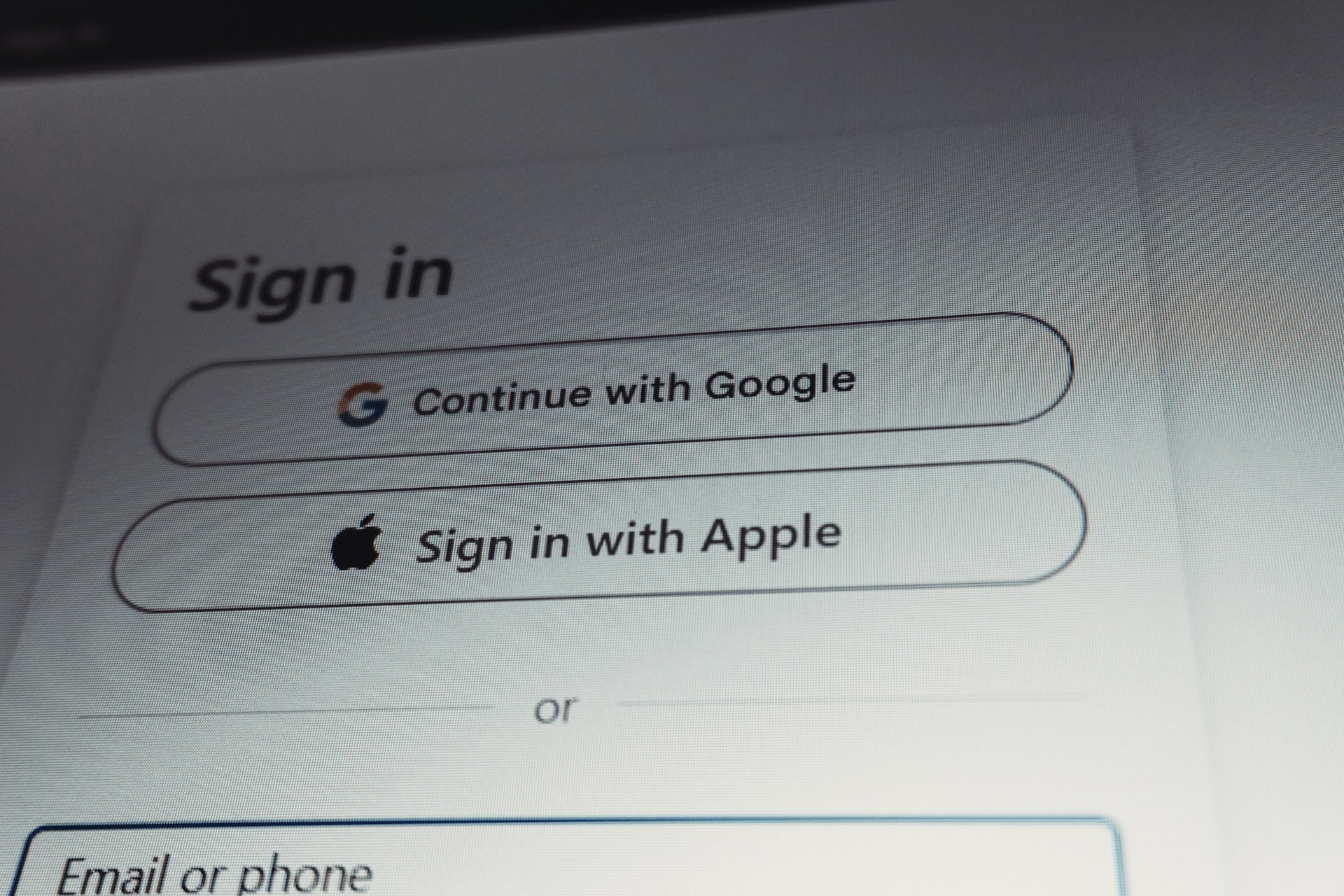
Some advanced implementations incorporate biometric authentication, hardware keys, or multi-signature requirements for accessing particularly sensitive vaults.
Also Read : Top 10 Best Investment Options in 2026
The WV Anon Vault Approach
The wv anon vault represents a specific implementation focusing on enhanced privacy features tailored for users requiring maximum discretion. This variant typically emphasizes stronger anonymity protocols and may include features like onion routing integration, cryptocurrency payment options, and enhanced metadata protection.
Why Anon Vault Matters in Today’s Digital Landscape
The relevance of anonymous vault solutions extends far beyond individual privacy preferences—these tools address fundamental challenges facing modern organizations and users.
Rising Cybersecurity Threats
Cybercriminals are becoming increasingly sophisticated. Ransomware attacks increased by 95% year-over-year, with the average data breach costing organizations $4.45 million in 2023. Traditional security measures often prove insufficient against determined attackers who exploit vulnerabilities in centralized systems.
An anon vault mitigates these risks by eliminating the centralized honey pot that attracts hackers. Even if attackers compromise the storage infrastructure, they gain access only to encrypted data that’s mathematically impractical to decrypt without the user’s keys.
Regulatory Compliance and Data Sovereignty
Organizations operating across multiple jurisdictions face complex data protection regulations. GDPR in Europe, CCPA in California, and similar frameworks worldwide impose strict requirements on how personal data is collected, stored, and processed.
Anonymous vaults help organizations minimize compliance burdens by reducing the amount of personally identifiable information (PII) they control. When you don’t possess unencrypted user data, you can’t inadvertently mishandle it.
Corporate Espionage and Competitive Intelligence
Business leaders increasingly recognize that competitors, nation-states, and other actors actively seek proprietary information. Trade secrets, strategic plans, and confidential communications represent valuable targets.
By using an anon vault for sensitive business information, organizations create an additional security layer that protects against both external threats and potential insider risks.
Key Benefits of Using Anon Vault
Maximum Privacy Protection
The primary advantage is straightforward: your data remains truly private. Service providers, government agencies, and potential attackers cannot access your information because they don’t possess the decryption keys.
Reduced Attack Surface
Centralized databases containing millions of user credentials represent attractive targets. Anonymous vaults distribute risk and eliminate single points of catastrophic failure.
User Control and Data Ownership
You maintain complete control over your information. There’s no risk of a service provider changing terms, selling data to third parties, or being compelled to provide access to authorities.
Cross-Platform Accessibility
Modern anon vault solutions offer accessibility across devices while maintaining security. Your encrypted vault synchronizes seamlessly whether you’re accessing from desktop, mobile, or web interfaces.
Implementing Anon Vault: Best Practices
Successful deployment requires careful planning and adherence to security fundamentals.
Choosing the Right Solution
Evaluate potential anon vault providers based on:
- Encryption standards: Verify they use industry-standard encryption (AES-256 minimum)
- Open-source verification: Open-source solutions allow independent security audits
- Reputation and track record: Research the provider’s history and any security incidents
- Feature set: Ensure the solution meets your specific storage and sharing needs
- Recovery options: Understand the implications of the no-recovery policy
Security Hygiene
Even the most secure vault becomes vulnerable through poor practices:
Create a strong master password using a combination of random words, numbers, and symbols. Consider using a passphrase of at least 20 characters.
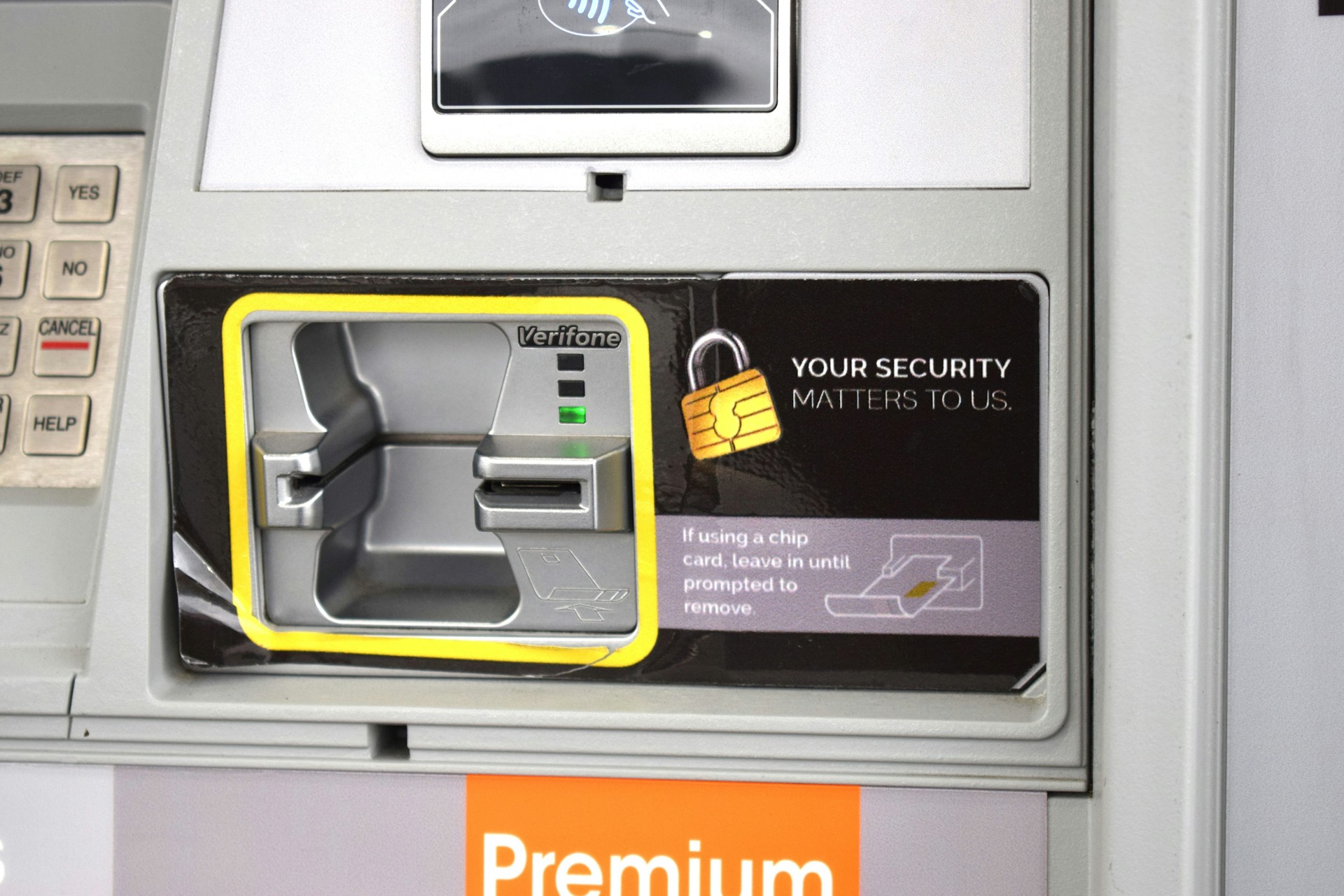
Store backup access credentials in a physically secure location. Many users maintain encrypted backups on offline storage devices.
Enable all available authentication factors. Multi-factor authentication significantly reduces unauthorized access risk.
Organizational Implementation
Businesses deploying anon vault solutions should:
Develop clear policies governing what information belongs in the vault versus standard storage systems. Not all data requires anonymous vault protection.
Provide comprehensive training to ensure employees understand proper usage and security protocols.
Establish succession planning procedures. Without recovery options, organizations must ensure critical vault access doesn’t become inaccessible if key personnel leave.
Common Use Cases for Anon Vault
Password Management
Storing login credentials for hundreds of online accounts represents the most common use case. An anon vault provides superior security compared to browser-based password storage or traditional password managers that maintain server-side data.
Cryptocurrency and Digital Assets
Cryptocurrency private keys control access to potentially significant financial assets. Storing these keys in an anonymous vault protects against both theft and loss.
Sensitive Documentation
Legal documents, medical records, financial information, and other sensitive files benefit from the enhanced security anonymous vaults provide.
Confidential Communications
Journalists, whistleblowers, lawyers, and others handling confidential communications increasingly rely on anon vault solutions to protect source information and privileged correspondence.
Potential Drawbacks and Considerations
While anon vault solutions offer significant advantages, users should understand the limitations:
No password recovery means lost credentials result in permanent data loss. This design is intentional but requires users to maintain secure backup procedures.
Trust requirements still exist. You must trust that the encryption implementation is secure and that the provider isn’t malicious. Open-source solutions mitigate this concern through transparency.
Usability trade-offs are inherent. Maximum security often means reduced convenience compared to less secure alternatives.
The Future of Anonymous Storage
The anonymous vault market continues evolving rapidly. Emerging trends include:
Integration with blockchain technology for immutable audit trails and decentralized verification. This approach combines the privacy benefits of encryption with the transparency advantages of distributed ledgers.
Quantum-resistant encryption algorithms are being developed to protect against future computational threats. As quantum computing advances, current encryption standards may become vulnerable.
Enhanced sharing capabilities that maintain privacy while enabling selective disclosure. Advanced cryptographic techniques allow controlled access without compromising the zero-knowledge model.
Frequently Asked Questions
What makes Anon Vault different from regular cloud storage?
Anon Vault differs fundamentally from services like Google Drive or Dropbox through its zero-knowledge encryption model. Regular cloud storage providers encrypt data in transit and at rest but maintain the ability to decrypt your files—meaning they can access your data, comply with legal requests, or potentially suffer data breaches that expose your information. In contrast, anonymous vaults encrypt data on your device before transmission, and only you possess the decryption keys. This means even the service provider cannot access your stored information, providing significantly stronger privacy protection.
Is Anon Vault legal to use?
Yes, using an anon vault is completely legal in most jurisdictions. These tools simply provide enhanced encryption and privacy protection, which are legitimate security measures. However, the legality depends on what you store and your intended use—just as a physical safe is legal, but storing illegal materials inside one is not. Some countries with strict data control laws may restrict or monitor encrypted storage services, so users in such regions should verify local regulations. For legitimate purposes like protecting business secrets, personal information, or financial data, anonymous vaults are legal and increasingly recommended security tools.
Can I recover my data if I forget my master password?
No, password recovery is intentionally impossible with most anon vault solutions. This limitation is actually a security feature, not a flaw. If a recovery mechanism existed, it would create a vulnerability that could be exploited by attackers or compelled by legal authorities, defeating the purpose of zero-knowledge encryption. This is why maintaining secure backups of your master password or recovery keys is critical. Many users store encrypted copies of their credentials in physically secure locations, such as bank safe deposit boxes. While this limitation may seem inconvenient, it’s the price of true security and privacy.
How does WV Anon Vault differ from standard implementations?
The wv anon vault typically refers to enhanced privacy implementations that incorporate additional anonymity layers beyond standard encrypted storage. These may include features like onion routing for access (similar to Tor), acceptance of cryptocurrency payments to avoid financial trails, enhanced metadata protection that obscures even when and how often you access your vault, and sometimes integration with privacy-focused networks. These additional features make wv anon vault particularly suitable for users requiring maximum discretion, such as journalists protecting sources, activists in restrictive environments, or businesses handling extremely sensitive competitive information.
What happens to my data if the Anon Vault service shuts down?
Because your data is encrypted with keys only you possess, you can typically export your encrypted vault before a service closure. Reputable providers give advance notice of shutdown and provide export tools. However, this highlights the importance of choosing established providers with sustainable business models and maintaining local backups of critical information. Some decentralized anonymous vault solutions eliminate this concern entirely by storing encrypted fragments across distributed networks not controlled by any single entity, ensuring your data remains accessible regardless of any individual service’s status.
Conclusion
The Anon Vault represents more than just another security tool—it’s a fundamental shift in how we approach data privacy and protection. As cyber threats evolve and privacy concerns intensify, the importance of solutions that put control firmly in users’ hands will only increase.
For organizations managing sensitive business information, professionals handling confidential data, or individuals prioritizing digital privacy, anonymous vaults offer unparalleled security through zero-knowledge encryption and minimal data collection. While they require careful implementation and responsible usage, the protection they provide against data breaches, unauthorized access, and privacy violations makes them essential tools in the modern digital landscape.
Whether you’re protecting passwords, cryptocurrency assets, confidential documents, or sensitive communications, understanding and implementing anon vault solutions positions you ahead of the security curve in an increasingly vulnerable digital world.
