
Money has always followed convenience. From barter systems to banknotes, from plastic cards to mobile banking apps, every financial shift has been driven by one thing: ease. Today, that evolution has reached a point where digital wallets are no longer optional tools—they’re essential infrastructure for modern living.
As more people build income streams online, shop globally, freelance remotely, and invest digitally, the demand for fast, secure, and flexible payment systems has surged. Managing your money effectively in this environment requires more than just a traditional bank account. It requires a smarter approach to moving, receiving, and protecting your funds.
Welcome to the era of digital wallets
Why Digital Wallets Are Becoming the Default
A decade ago, sending money often meant bank visits, paperwork, and long waiting periods. Today, transfers happen in minutes. Freelancers get paid across borders. Shoppers buy products from marketplaces without worrying about security.
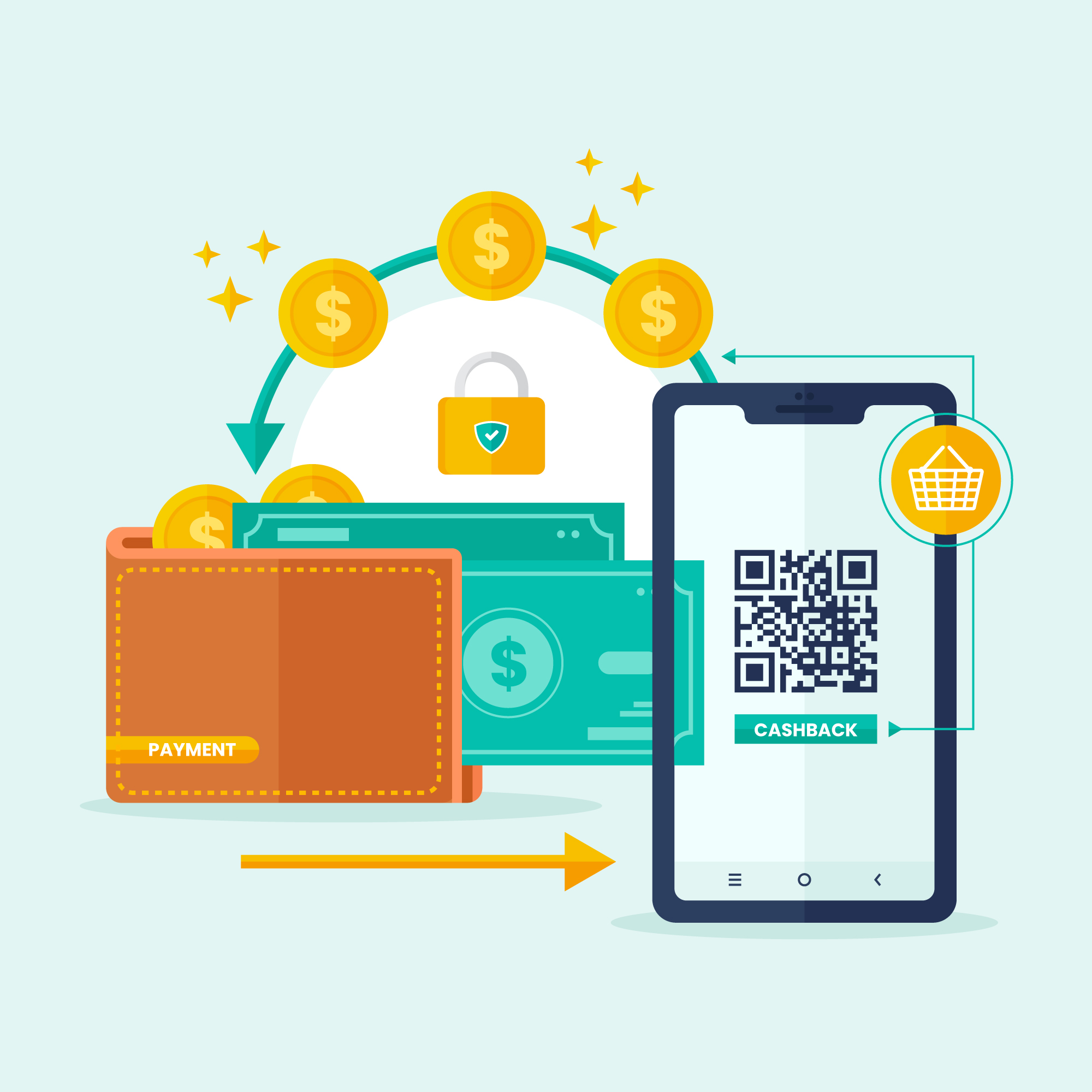
Image source: freepik
Digital wallets remove friction from financial transactions. They provide mobility. And financial mobility translates into opportunity.
For readers of Money Side of Life, this matters. Financial growth is no longer limited by geography. Your income potential can extend beyond your city—or even your country—if your payment system supports it.
The Rise of the Global Freelancer Economy
The freelance and gig economy has exploded. Writers, designers, developers, marketers, consultants, and virtual assistants are serving clients worldwide. Platforms connect talent to opportunity instantly.
But here’s the part many people overlook: earning online is only half the equation. Getting paid efficiently is just as critical.
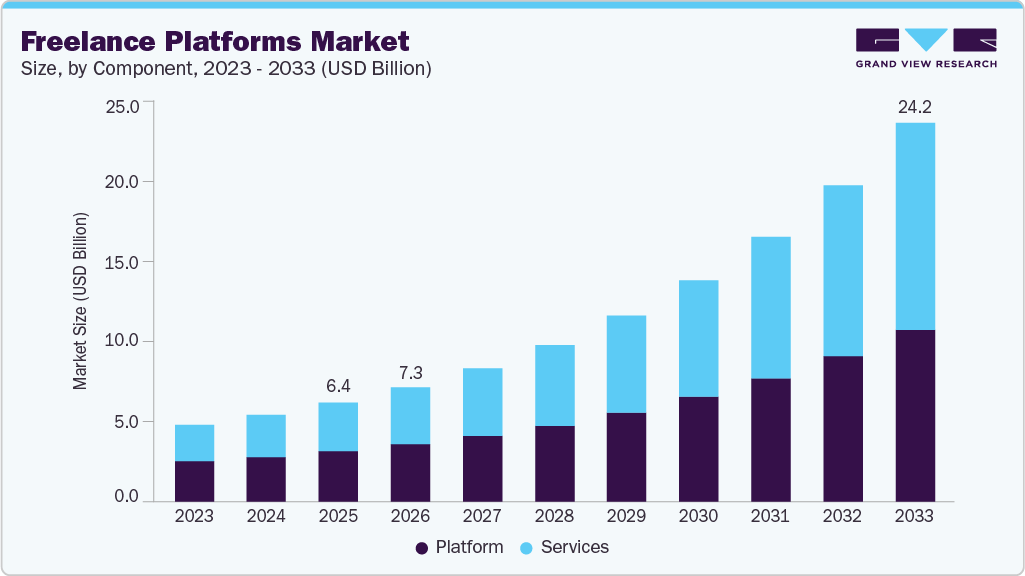
Image source : grandviewresearch
Slow transfers, high fees, and currency conversion losses can quietly eat into your income. Over time, that erosion adds up. A smart financial strategy includes choosing tools that minimize friction and maximize access.
If you’re serious about building income streams beyond your local market, you need payment infrastructure that matches your ambition.
Security: The Foundation of Financial Confidence
Convenience means nothing without security. As digital transactions increase, so do concerns about fraud and data breaches. Reputable digital wallets address this through encryption, identity verification, and multi-layered authentication systems.
The advantage of using established platforms is trust. They operate within regulatory frameworks and invest heavily in cybersecurity. For individuals managing online income, affiliate payouts, investment returns, or e-commerce earnings, that protection is not optional—it’s necessary.
Financial confidence comes from knowing your funds are accessible and safeguarded.
Cross-Border Commerce Is the New Normal
Small businesses are no longer limited to local customers. A handmade product in one country can sell to buyers thousands of miles away. Digital products—courses, templates, consulting services—are instantly global.
Digital wallets reduce barriers. They often support multiple currencies, allow easy conversion, and simplify the payment process for both buyer and seller. When your financial tools are borderless, your growth potential expands.
The Psychology of Faster Payments
Speed changes behavior. When payments arrive instantly or within minutes, cash flow improves. And improved cash flow improves decision-making.
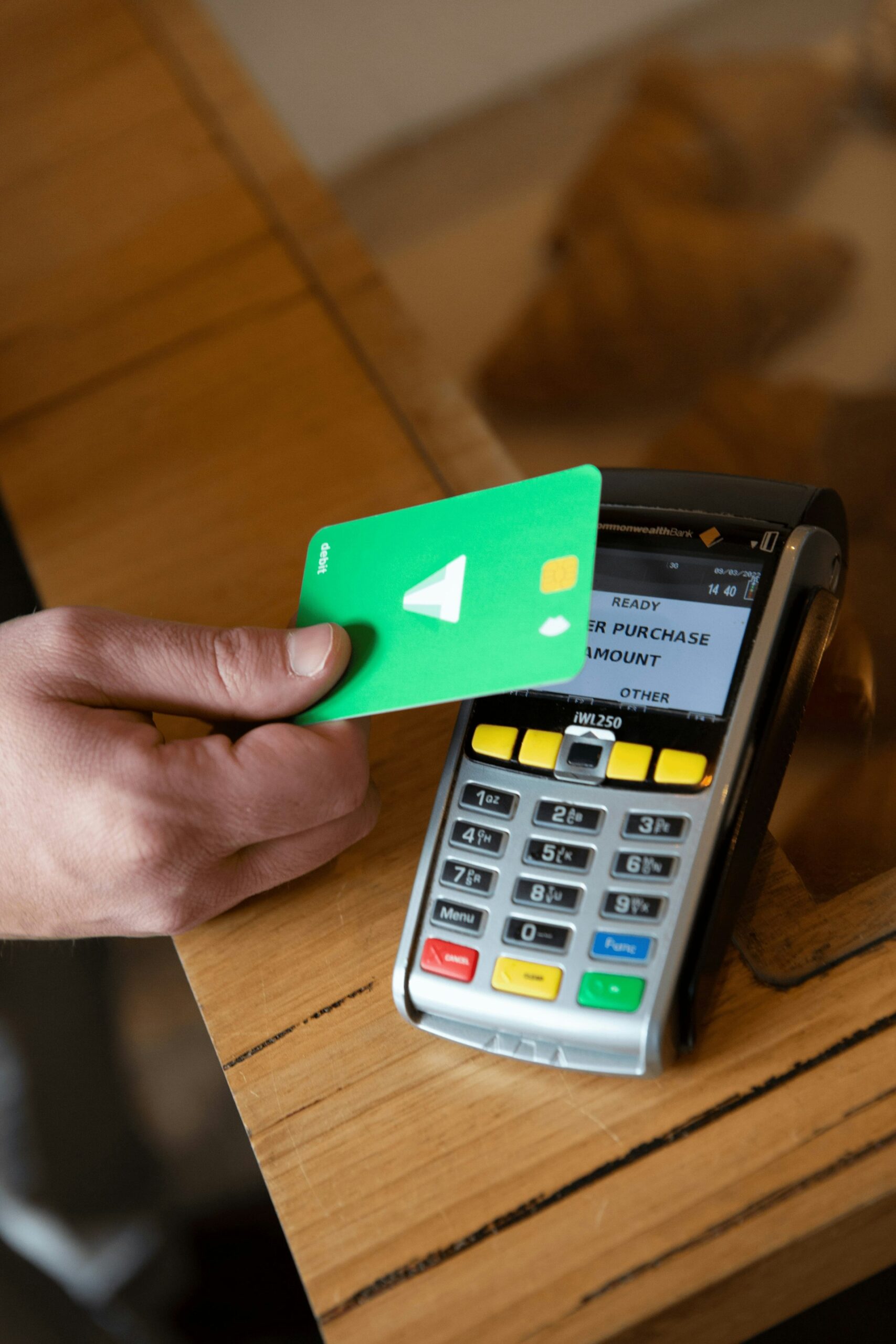 Image source: unsplash
Freelancers can reinvest quickly. Investors can move funds without delays. Waiting days—or even weeks—for traditional transfers can stall progress.
Modern financial tools empower users with control. That sense of control fuels confidence, and confidence fuels smarter financial moves.
Online Gaming, Trading, and Digital Entertainment
Another major driver of digital wallet growth is the entertainment and trading sector. Online gaming platforms, sports betting services, and digital trading marketplaces rely heavily on fast deposits and withdrawals.
Users want flexibility. They want to fund accounts quickly and withdraw winnings or profits without excessive delays.
Digital wallets streamline this process by acting as intermediaries between banks and online platforms. This adds a layer of convenience and often an additional layer of privacy.
Lower Barriers for Emerging Markets
In many regions, traditional banking access remains limited. However, smartphone adoption continues to rise rapidly. Digital wallets bridge this gap. They allow individuals to participate in global commerce without relying solely on conventional banking systems.
Financial inclusion is one of the most powerful aspects of digital payment platforms. Access equals opportunity. For readers focused on improving their financial situation, understanding these tools isn’t just useful—it’s strategic.
Currency Flexibility Matters More Than You Think
Currency conversion fees can quietly erode income. If you regularly receive payments in different currencies, having a wallet that allows holding multiple currencies can reduce unnecessary conversions. Strategic timing of conversions can also minimize losses due to exchange rate fluctuations.
This may sound like a small detail, but over months or years, optimizing currency management can preserve significant value—especially for remote professionals earning in stronger currencies while living in lower-cost regions.
Smart money management isn’t only about earning more. It’s about losing less.
Digital Wallets and Financial Discipline
Digital wallets can also play a powerful role in strengthening financial discipline. Most platforms provide detailed transaction histories, real-time notifications, and organized dashboards that make it easier to monitor both income and expenses.
When you can clearly see where your money is coming from and where it is going, you naturally become more aware of your spending habits.
That awareness encourages smarter budgeting, better cash flow management, and more intentional financial decisions. In the long run, this visibility and structure can support stronger savings habits and a more controlled, strategic approach to managing money.
The Bigger Picture: Financial Autonomy
At its core, the rise of digital wallets represents something deeper: financial autonomy. When you can earn online, receive international payments, convert currencies efficiently, and access your funds quickly, you reduce dependence on outdated systems and gain meaningful flexibility.
That flexibility translates into power—the ability to act fast, reinvest quickly, and manage opportunities without unnecessary friction. For anyone serious about improving their financial life, payment infrastructure is not an afterthought; it is a foundation. The tools you choose directly impact how fast you grow, how much you keep, and how confidently you operate in a digital economy that continues to accelerate.
Final Thoughts
Managing money in 2026 looks very different from managing money in 2010. Digital wallets have moved from convenience to necessity. They support global ambition, enable financial inclusion, and streamline modern income streams.
If your goal is to build wealth in an increasingly digital world, evaluate your payment systems carefully. The right wallet doesn’t just move money—it supports momentum. And momentum, in finance, is everything.
