


Getting a straighter smile is one of the most common dental goals for both teens and adults across the United States. But before booking that first orthodontist visit, most people ask the same question: how much are braces without insurance?
The honest answer is — it depends. Braces pricing in the U.S. varies widely based on the type of braces you choose, where you live, how complex your case is, and which orthodontist you visit. In this guide, we’ll break down real 2026 cost ranges, explain what affects pricing, and share practical ways to make braces more affordable even without dental coverage.
If you’re also budgeting for other major life expenses alongside orthodontic care, our friends at Money Side of Life have excellent resources on personal finance planning and saving strategies that pair well with this guide.
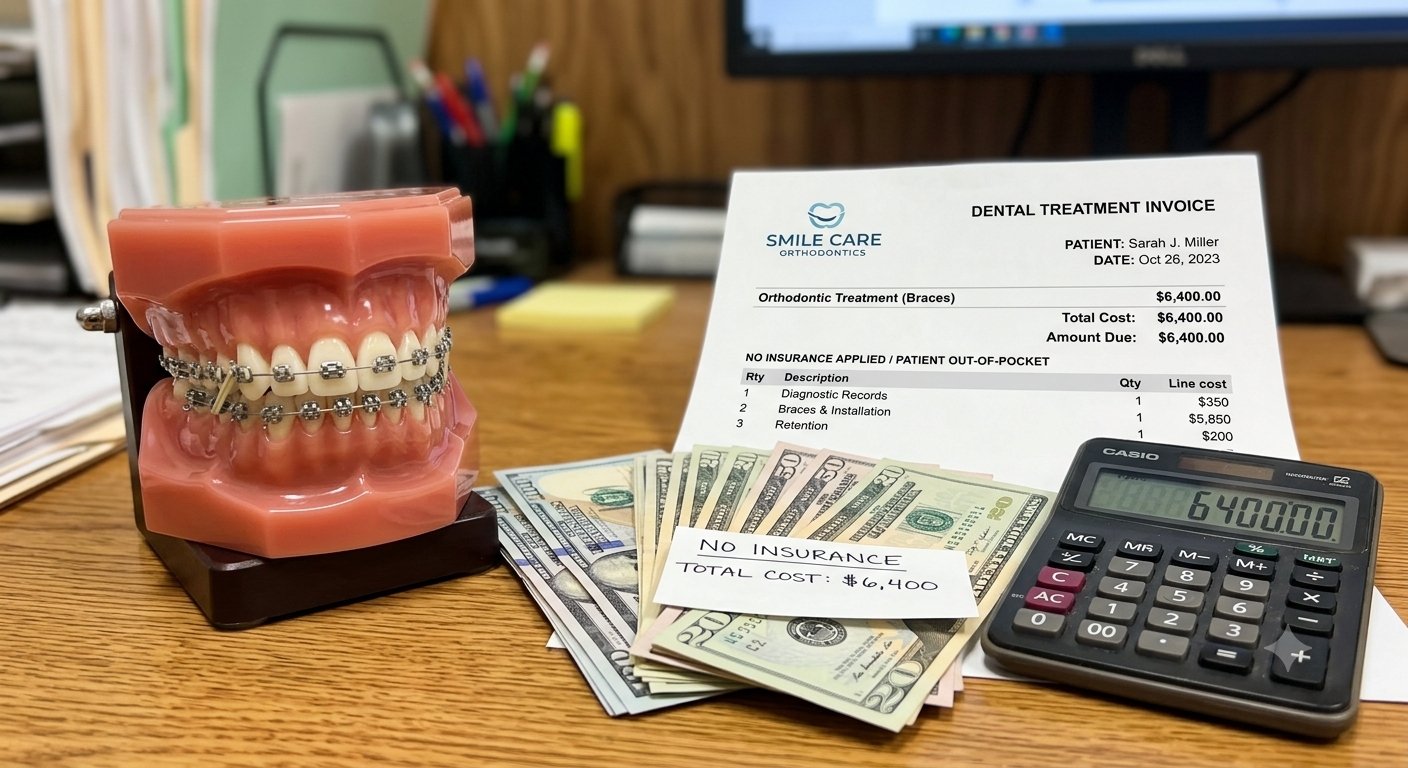
Average Cost of Braces Without Insurance in the USA
Without dental insurance, braces typically cost between $3,000 and $10,000, depending on the type you select. Here’s a general breakdown:
| Type of Braces | Average Cost (No Insurance) |
|---|---|
| Metal Braces | $3,000 – $7,500 |
| Ceramic Braces | $4,000 – $8,500 |
| Lingual Braces | $8,000 – $10,000 |
| Invisalign (Clear Aligners) | $4,000 – $9,000 |
These figures represent national averages. Costs can be higher in metro areas like New York, Los Angeles, or San Francisco, and slightly lower in smaller towns or rural regions.
What Affects the Price of Braces?
Several factors influence how much you’ll actually pay out of pocket:
1. Type of Braces
Traditional metal braces remain the most budget-friendly option, while lingual braces (placed behind the teeth) and premium clear aligners tend to cost more due to specialized materials and labor.
2. Severity of Misalignment
Minor corrections (like slight crowding) cost less than complex cases involving bite correction, jaw alignment, or extractions.
3. Treatment Duration
Most braces treatments last 12 to 30 months. Longer treatment plans generally mean higher total costs since they require more frequent adjustment visits.
4. Orthodontist Experience and Location
Specialists in high-cost-of-living cities typically charge more than general dentists or orthodontists in smaller communities.
5. Age of the Patient
Adult orthodontic cases can sometimes cost more than pediatric or teen cases due to additional dental work needed beforehand, such as gum treatment or tooth extractions.
Hidden Costs to Watch Out For
Beyond the base price of braces, patients without insurance should budget for:
- Initial consultation and X-rays ($100–$300, sometimes free)
- Retainers after treatment ($150–$600)
- Emergency visits for broken brackets or wires
- Teeth whitening or cleanings post-treatment
Asking your orthodontist for an itemized quote upfront helps avoid surprise charges later.
How to Afford Braces Without Insurance
The good news is that paying full price upfront isn’t the only option. Here are practical ways patients across the U.S. reduce their out-of-pocket cost:
Payment Plans
Most orthodontic offices offer in-house financing, allowing you to pay monthly (often $100–$300/month) instead of a lump sum.
Dental Discount Plans
Unlike insurance, discount plans charge an annual membership fee and offer reduced rates (typically 10–25% off) at participating providers.
HSA or FSA Accounts
If you have a Health Savings Account or Flexible Spending Account, braces are considered a qualified medical expense and can be paid for with pre-tax dollars.
Dental Schools
University-affiliated dental schools often provide orthodontic treatment at 30–50% lower cost since procedures are performed by supervised students.
Community Health Clinics
Nonprofit and community dental clinics sometimes offer sliding-scale fees based on income.
Comparing Multiple Quotes
Prices can vary significantly between providers in the same city, so getting 2–3 consultations before committing is a smart financial move.
If you’re mapping out a bigger financial plan around healthcare or dental expenses, check out the budgeting tools and money-saving guides on Money Side of Life — they cover everything from managing medical expenses to building an emergency fund for situations like this.
Metal Braces vs. Invisalign: Which Is Cheaper Without Insurance?
Generally, metal braces are the most affordable option for patients paying out of pocket, while Invisalign tends to sit in the mid-to-higher price range due to the custom aligner technology involved. However, Invisalign often has fewer emergency visits (no broken wires or brackets), which can offset some of the cost difference over time.
Is It Worth Getting Braces Without Insurance?
For most people, yes. Straighter teeth aren’t just cosmetic — misaligned teeth can lead to long-term issues like uneven wear, jaw pain, and difficulty cleaning teeth properly, which can result in costlier dental problems down the road. Viewing braces as a long-term health investment, rather than a one-time expense, can help put the upfront cost into perspective.
Frequently Asked Questions
How much are braces without insurance on average? Most patients pay between $3,000 and $8,000 total, depending on the type of braces and treatment complexity.
Can I get braces for under $3,000 without insurance? Yes, dental schools, community clinics, and payment plans can sometimes bring costs down to $2,000–$3,000 for simpler cases.
Do orthodontists offer payment plans without insurance? Most do. In-house financing is common and usually doesn’t require a credit check.
Are adult braces more expensive than teen braces? Sometimes. Adult cases may need extra prep work, but the braces themselves cost the same regardless of age.
Final Thoughts
So, how much are braces without insurance really going to cost you? For most Americans, expect a range of $3,000 to $8,500, with payment plans, dental schools, and HSA/FSA accounts offering meaningful ways to reduce the financial burden. Comparing quotes from multiple orthodontists and asking about financing options upfront can save you hundreds — sometimes thousands — of dollars over the course of treatment.
For more tips on managing healthcare costs, building savings, and planning your finances wisely, visit Money Side of Life for practical, easy-to-follow money guides.
